Gender/Sexual Inclusivity As Expressed in “Brooklyn 99”
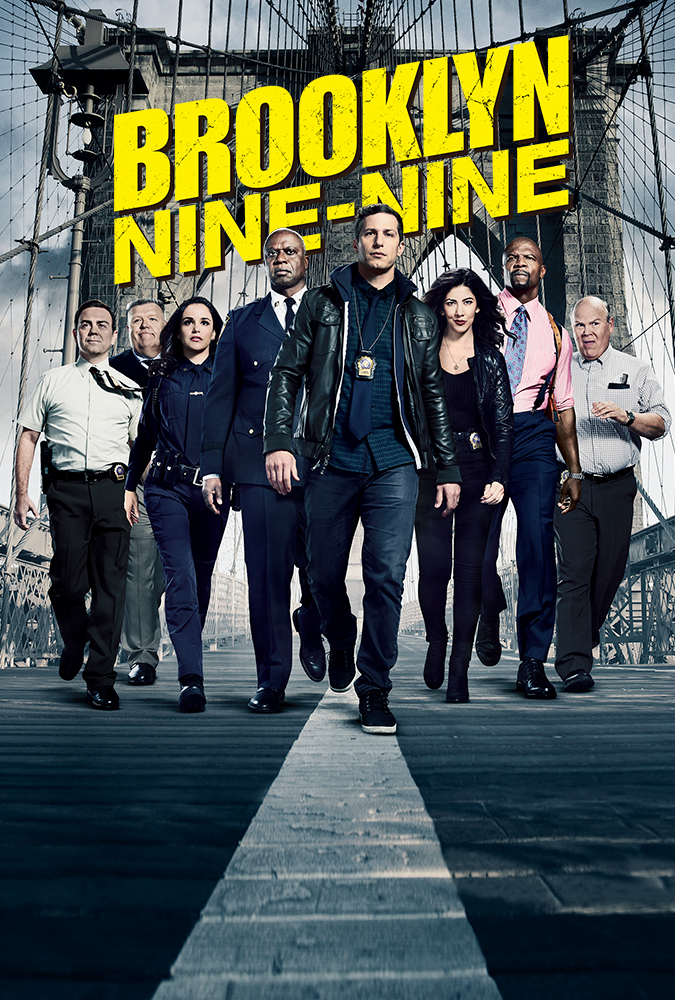
One of my favorite hobbies, especially during stressful times such as finals week, includes watching TV shows/movies with my family. In order to truly enjoy myself, I will often indulge in a sit-com, and since the beginning of this year, my go-to has been “Brooklyn 99”. For those of you who don’t know, “Brooklyn Nine-Nine" follows the exploits of hilarious Detective Jake Peralta and his diverse, lovable colleagues as they police the NYPD's 99th Precinct. The series begins with Captain Ray Holt taking over Brooklyn's 99th precinct, which includes Detective Jake Peralta, a talented but carefree detective who's used to doing whatever he wants, Detective Amy Santiago, Jake's over achieving and competitive partner, Detective Rosa Diaz, a tough and kept to herself coworker, Detective Charles Boyle, Jake's best friend who also has crush on Rosa, Detective Sergeant Terry Jeffords, who was recently taken off the field after the birth of his twin girls, and Gina Linetti, the precinct's sarcastic administrator. I enjoy “Brooklyn 99” not only for its ability to make me laugh at any given occasion, but also its effortless inclusion of diversity.
Unlike the vast majority of police procedural shows, including “Law and Order,” “CSI,” and “Criminal Minds,” which tend to designate specific episodes in which they discuss issues such as homophobia, racism, and sexism, from the beginning, “Brooklyn 99” has cultivated a world dedicated to implementing inclusivity within gender, race, ethnicity, shape, and gender/sexual orientation. For example, both Rosa Diaz and Amy Santiago are latina women, and both Terry Jeffords and Ray Holt are black men. Furthermore, Captain Holt is introduced as a happily married, black, gay police officer, and throughout the series shares his multitude of experiences with discrimination, profiling, and homophobia. Later on in “Brooklyn 99” when Rosa Diaz comes out to her colleagues as bisexual, they neither critizied nor celebrated her decision, resorting to simply accepting it and moving on. By doing so, “Brooklyn 99” made less of a spectacle out of coming out, instead normalizing the process as a whole.
The matter-of-fact way that “Brooklyn 99” handles topics related to race, gender, and sexual orientation has set the TV series apart from many others, and is I believe what drew me to the show in the first place. As mentioned before, the series’ ability to normalize events (such as one’s coming out) which are oftentimes displayed on a more grandiose level, introduces the idea that it is perfectly okay to identify with another sexual orientation. As opposed to preaching about inclusivity, “Brooklyn 99” shows what it's like to simply accept people for who they are. So, if you ever find yourself in the need for a good laugh, look for “Brooklyn 99” which is available on Hulu (or also probably some random sketchy website).
- Mariam Vaid

I have watched a couple seasons of Brooklyn Nine-Nine, and I also really like how inclusive the show is. I have to say my favorite character is Captain Holt. I really like how the show manages to address the experiences of this character, as you said, without making a huge deal out his sexuality or turning him into a tragic character, which so often happens. I haven't gotten to the point in the show where Rosa comes out, but I will have to revisit it after reading this post.
ReplyDeleteI loooove this show! I really like how it's not only hilarious but also inclusive and does a good job with representation. Although I also love Parks & Rec and The Office, I find that they often play into stereotypes about certain races, sizes, and sexual orientations, like what characters Stanley, Phyllis, Donna. Brooklyn-99 is able to be super funny without playing into stereotypes.
ReplyDeleteI've been hesistant to watch police procedurals because the characters so often fit into a mold and I didn't think it would be something I'd enjoy. However, the casual diversity within Brooklyn 99 seems both entertaining and normalized, which I appreciate. Though I haven't seen the show, I'm glad that it models acceptance, and I definitely want to check it out sometime.
ReplyDelete